

Malware attacks are increasingly targeting WordPress sites, and even minor vulnerabilities can bring down your entire site. Outdated plugins, weak hosting, and unsecured themes make it easy for hackers to slip in and cause damage fast.
You need strong, reliable security tools that can scan deeply, block threats, and clean malware before it spreads. The right plugin can protect your data, keep your rankings safe, and stop downtime that hurts your business.
This guide highlights the top WordPress malware removal plugins so you can secure your website with confidence.
How Malware Removal Plugins Work?
Malware removal plugins protect your site by scanning your WordPress files, themes, plugins, and database for anything unusual. They look for known malware signatures, suspicious code, and changes hackers often leave behind.
These tools run regular checks in the background and alert you when something looks off. Many also track login attempts, block brute-force attacks, and monitor file changes so you catch problems early.
Some plugins offer full cleanup features that remove infected files and restore safe versions. Others add extra protection like firewalls, activity logs, and two-factor authentication to keep hackers out before damage happens.
These plugins make security easier, giving you a simple way to find issues fast and keep your site safe.
Fix Harmful WordPress Plugin Issues
Get expert help to clean malware, remove bad plugins, and secure your WordPress site quickly and safely.
What to Look for in a WordPress Malware Removal Plugin?
The right malware removal plugin keeps your site safe, stable, and clean with as little effort as possible. Look for tools that protect your files, block attacks, and fix problems quickly.
- Real-Time Scanning: A strong plugin should scan your site often and spot malware the moment it appears.
- Automatic Cleanup: The tool should remove infected files quickly without you needing to dig through code.
- Firewall Protection: A built-in firewall helps block attacks before they reach your website.
- File Change Monitoring: This alerts you when your files are edited, replaced, or tampered with.
- Brute-Force Protection: Good plugins limit login attempts and block suspicious IP addresses.
- One-Click Restore: You should be able to roll your website back to a safe version instantly.
- WooCommerce Support: If you run a store, choose a plugin that protects checkout pages, customer data, and order flows.
These features give you strong, reliable protection and help your WordPress site stay safe in 2025.
Top WordPress Malware Removal Plugins
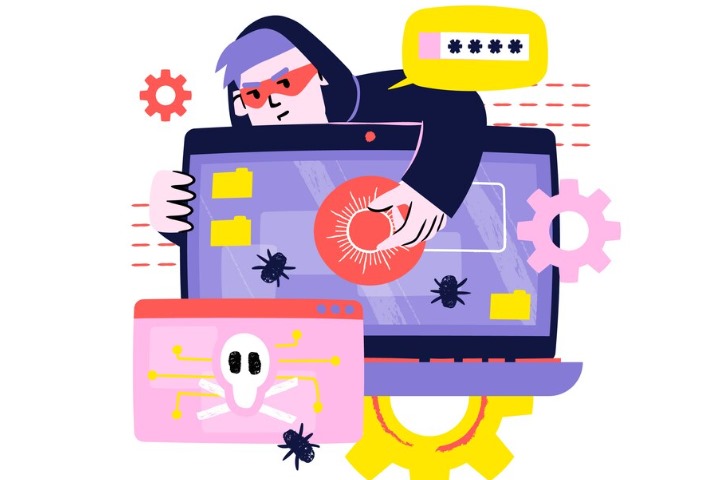
Malware can compromise your WordPress website, so using the right security plugin is crucial. Here’s a detailed look at some of the best WordPress malware removal plugins and their features.
SolidWP (formerly iThemes Security)
SolidWP is a popular WordPress plugin that provides robust protection for your site by addressing common security threats.
Features:
- Malware Scanning: Regularly scans for malicious code in WordPress files, themes, and plugins.
- Two-Factor Authentication: Adds an extra layer of protection to your login page.
- File Change Detection: Alerts you if any WordPress core files or other files are modified.
- Brute Force Protection: Blocks repeated failed login attempts to prevent unauthorized access.
- Database Backups: Ensures your WordPress database is safe and can be restored if needed.
How it works: iThemes Security monitors your site for vulnerabilities, secures weak points, and provides real-time alerts for potential issues. It’s an excellent all-in-one solution for bulletproof security.
Jetpack Security
Jetpack Security combines WordPress optimization with powerful security tools to offer comprehensive protection.
Features:
- Daily Malware Scanning: Scans your site for malware, malicious code, and vulnerabilities.
- Downtime Monitoring: Alerts you if your site goes offline due to security issues.
- Brute Force Protection: Blocks unauthorized login attempts.
- Automatic Backups: Backs up your WordPress database and files for quick restoration.
- Spam Protection: Blocks spam in comments and contact forms.
How it works: Jetpack Security integrates seamlessly with your WordPress dashboard to monitor your site, detect vulnerabilities, and keep backups. It’s a versatile plugin for users who want security combined with performance enhancements.
WPScan
WPScan is an open-source security plugin specializing in vulnerability detection. It uses a powerful database of known WordPress vulnerabilities to keep your site secure.
Features:
- Vulnerability Detection: Scans for security issues in WordPress core files, plugins, and themes.
- Daily Updates: The vulnerability database is updated daily to ensure you’re protected from the latest threats.
- Login Security: Offers brute force protection to safeguard against unauthorized logins.
- Alerts and Notifications: Sends email notifications about vulnerabilities found on your site.
- Free and Premium Options: The free version provides essential features, while the premium version offers advanced scanning and additional support.
How it works: WPScan compares your site against its extensive vulnerability database, identifying weaknesses so you can patch them before hackers exploit them.
Sucuri
Sucuri is a well-known name in WordPress security, offering a suite of features for malware detection and site protection.
Features:
- Malware Scanning and Removal: Scans your website for malware signatures, malicious code, and known vulnerabilities.
- Web Application Firewall (WAF): Protects your site from brute force attacks, SQL injections, and other malicious activity.
- Blacklist Monitoring: Checks if your site is flagged by security services like Google Safe Browsing.
- File Integrity Monitoring: Monitors WordPress core files and alerts you to unauthorized changes.
- Performance Boost: The firewall not only protects but also speeds up your site with its content delivery network (CDN).
How it works: Sucuri scans your site for malware and vulnerabilities, provides detailed reports, and offers immediate cleanup and restoration services if your site is hacked.
Wordfence
Wordfence is one of the most popular WordPress security plugins, known for its powerful malware detection and prevention tools.
Features:
- Malware Scanner: Detects malicious code in WordPress themes, plugins, and the database.
- Firewall Protection: Blocks malicious traffic and prevents brute force attacks.
- Login Security: Implements two-factor authentication and limits failed login attempts.
- Real-Time Threat Intelligence: Accesses an extensive database of known malware and vulnerabilities.
- File Repair: Automatically replaces corrupted files with clean copies from the WordPress repository.
How it works: Wordfence runs regular scans to identify infected files and malicious code, then provides tools to clean and secure your site. It also protects against future threats with its robust firewall.
Why WPTasks Is the Best Choice for WordPress Malware Removal Services
When your WordPress site is at risk, you need a service that does more than run a quick scan. WPTasks offers complete malware removal, real protection, and ongoing support that keeps your site safe long after the cleanup.
Expert Malware Detection and Cleanup
WPTasks uses advanced scanning tools like the Malcure WordPress Malware Scanner to find hidden threats in your core files, themes, plugins, and database. We do not stop at surface-level scans. Our team performs a deep cleanup to remove every trace of malicious code, even in hard-to-reach places.
24/7 Monitoring and Real Support
Your site stays protected around the clock. Our team monitors your website continuously, watching for suspicious activity and blocking threats before they turn into serious problems. If something happens, you get immediate help from real experts.
Security Plans Tailored to Your Site
Every site has different vulnerabilities, so we build security solutions that match your exact setup. We review your site, find weak points, and put stronger protection in place. Whether it is enabling two-factor authentication or tightening your anti-malware setup, we give your site the protection it needs.
Fast Recovery When Things Go Wrong
If your site gets infected, you cannot afford delays. WPTasks focuses on fast response and full recovery. We clean infected files, patch vulnerabilities, and bring your website back online quickly so you avoid long downtime and protect your reputation.
Protection Beyond Malware
Our security does not end with malware removal. We monitor your database, defend against brute-force attacks, and stay ahead of new threats. This gives your website long-term protection and keeps it running safely every day.
How to Use a Malware Scanner Plugin in WordPress?
Malware is one of the biggest threats to WordPress websites, which is why using a malware scanner plugin is essential for maintaining site security.
Here’s a step-by-step guide on how to install, configure, and use a malware scanner plugin to protect your WordPress site.
Installing and Configuring a Malware Scanner Plugin
To get started with a malware scanner plugin, you’ll need to install it either through the WordPress admin dashboard or manually via FTP.
Installing via WordPress Dashboard:
- Go to the Plugins section of your WordPress dashboard and click on Add New.
- Search for a reputable malware scanner plugin like iThemes or Jetpack.
- Click Install Now, and once the installation is complete, click Activate.
Installing via FTP:
- Download the plugin ZIP file from the official WordPress plugin repository or the plugin’s website.
- Using an FTP client, upload the plugin files to your WordPress installation’s wp-content/plugins directory.
- Go to the Plugins menu in the WordPress dashboard and activate the plugin.
Once the plugin is installed, you’ll need to configure it to suit your specific security needs. Most malware scanners allow you to set the scan frequency (e.g., daily, weekly) and configure alert notifications so you’ll be notified of any potential threats.
Running a Malware Scan and Interpreting Results
After setting up the plugin, the next step is to run a malware scan. This process helps detect and identify any malware, malicious code, or vulnerabilities within your WordPress files, plugins, themes, and database.
Running a Malware Scan
Navigate to the plugin’s settings page and locate the option to initiate a scan. Depending on the plugin, it may start scanning automatically or may require you to click a “Scan Now” button. Some plugins offer real-time scanning, while others perform periodic scans depending on the schedule you set.
Interpreting the Scan Results
Once the scan is complete, the plugin will provide a detailed report of any identified threats. This report typically includes a list of infected files, compromised plugins, or known vulnerabilities.
- Malware Signatures: Look for entries that match known malware signatures. These could include infected WordPress core files or files within your theme or plugins.
- Suspicious Files: Pay attention to files that seem out of place or have been altered recently, as they may contain malicious code.
- Recommendations: Most malware scanner plugins will provide suggestions on how to deal with identified threats. These may include file deletions, repairs, or updates to plugins and themes.
Removing Malware and Restoring Website Files
Once your scan confirms an infection, the next step is cleaning the malware and getting your site back to a safe state.
Use the Plugin’s Malware Removal Tools
Most security plugins include built-in tools that remove or quarantine infected files. Follow the instructions inside the plugin to clean the flagged items.
Some tools remove common threats automatically, while others ask you to approve each change for safety.
Restore Clean Files Using Backups
If the malware damaged multiple files or broke your site, restoring a clean backup is the fastest fix.
Use your backup system to roll your site back to a safe version, including your core files, themes, plugins, and database.
If you don’t have a backup, check whether your plugin offers a restore option or ask your host to recover a server-level backup.
Conclusion
Regular malware removal is crucial for keeping your WordPress site secure by preventing data breaches, protecting sensitive user information, and ensuring smooth operation. When selecting a plugin, consider factors like features, pricing, compatibility, and customer support.
Popular plugins offer malware scanning, cleanup, and additional security features like firewall protection and brute force prevention. However, WordPress malware services might be the best option for continuous, expert protection and real-time monitoring.
Frequently Asked Questions
How do I know if my WordPress site has malware?
Common signs include strange popups, redirects, slow loading, unknown admin accounts, file changes, and warnings from Google or your hosting provider.
What is the safest way to remove malware from a WordPress site?
Use a trusted malware scanner plugin to clean infected files, then restore a clean backup if the damage is extensive. Avoid deleting files manually unless you know what you’re doing.
Can malware come from plugins or themes?
Yes. Outdated plugins, nulled themes, and poorly coded tools are common entry points for malware. Keeping everything updated reduces the risk.
Do I need a firewall if I already use a malware scanner?
Yes. A scanner finds infections, while a firewall blocks attacks before they reach your site. Using both gives you stronger protection.
How often should I scan my WordPress site for malware?
Daily scans are ideal for active websites. At minimum, schedule weekly scans and always run a scan after installing or updating plugins.
Will removing malware break my WordPress site?
Not if handled correctly. Good security plugins remove infected code safely. If important files are affected, restoring from a backup brings everything back to normal.