
WordPress support plans in 2026 include much more than basic plugin updates and website maintenance. Modern websites now require proactive monitoring, security management, technical troubleshooting, performance optimization, backup systems, and ongoing support to maintain SEO rankings, website stability, and user experience.
As websites become more complex, businesses need support plans that help prevent downtime, fix technical issues faster, improve website performance, and reduce security risks before they affect traffic or conversions. This guide explains what support plans include in 2026, what businesses should expect as standard, and how to choose the right support solution.
TL;DR
- WordPress support plans in 2026 include monitoring, security, backups, troubleshooting, updates, and performance optimization.
- Modern support plans focus more on prevention than on fixing problems after they happen.
- Businesses now expect faster response times and proactive technical support.
- Advanced plans may also include recurring development support and white-label services for agencies.
- The right support plan helps improve website stability, security, SEO, and long-term performance.
WordPress support plans in 2026 usually include uptime monitoring, technical troubleshooting, plugin and theme updates, security management, backups, malware protection, website performance optimization, and ongoing website maintenance designed to improve website stability, SEO performance, and user experience.
WordPress Maintenance vs WordPress Support: Why Most Businesses Confuse Them?
WordPress maintenance and support are often treated as the same thing, but they solve very different website needs. Maintenance focuses on routine tasks like updates, backups, monitoring, and security checks that help keep the website running properly in the background.

WP support focuses on solving real technical problems when issues happen. This includes troubleshooting plugin conflicts, fixing broken functionality, recovering hacked websites, resolving downtime, and improving website performance. Businesses usually need both because maintenance helps prevent issues while support helps fix problems quickly when they happen.
The Core Features Every WordPress Support Plan Should Cover
A good support plan should help businesses maintain website stability, security, performance, and technical reliability through proactive monitoring and ongoing troubleshooting. Modern support plans should not only prevent technical problems but also help resolve issues quickly before they affect SEO, traffic, or customer experience.
- Core, Plugin, and Theme Updates: Regular updates help improve security, compatibility, and website stability.
- Daily Backups With Tested Recovery: Reliable backups help restore website files and data quickly during emergencies.
- Uptime and Performance Monitoring: Continuous monitoring helps detect downtime and performance issues early.
- Security Scanning and Malware Detection: Proactive security checks help identify vulnerabilities and suspicious activity faster.
- Basic Bug Fixes and Technical Troubleshooting: Technical support helps resolve recurring website errors, conflicts, and functionality issues.
How WPTasks Handles WordPress Support for Businesses and Agencies?
WPTasks helps businesses and agencies manage recurring WordPress issues through proactive technical support, faster troubleshooting, and ongoing website management. Instead of only reacting after problems happen, the platform focuses on maintaining website stability, improving performance, and reducing recurring technical risks before they affect SEO, traffic, or customer experience.
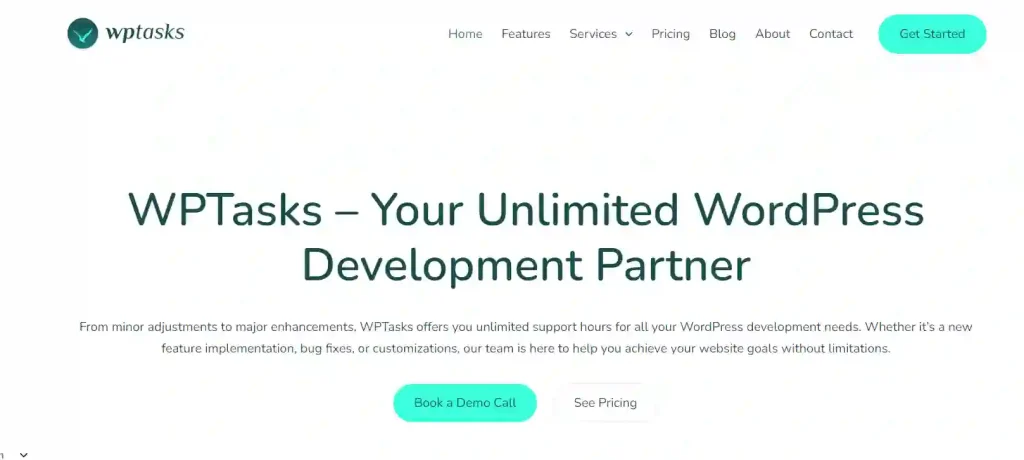
The support model combines monthly maintenance subscriptions with development retainers, helping businesses handle both routine website management and ongoing technical improvements more efficiently. WPTasks also supports agencies through white-label services, proactive monitoring, and hosting support that help teams scale website operations with better reliability and long-term technical consistency.
Need a Support Plan That Covers the Real Issues?
Get expert WordPress help for updates, fixes, security, performance, and ongoing care so your site stays stable and stress-free.
What Premium Website Support Plans Include That Basic Plans Skip?
Basic support plans usually focus on routine maintenance tasks and limited troubleshooting. Premium support plans go much further by offering faster response times, deeper technical expertise, proactive monitoring, and ongoing technical assistance that helps businesses prevent larger SEO, performance, and security problems.
As websites become more complex in 2026, many businesses now need advanced support features that improve uptime, website stability, search visibility, security protection, and long-term technical performance.

Guaranteed Response Times With a Real SLA
Premium support plans often include guaranteed response times backed by a service level agreement (SLA). This helps businesses receive faster technical assistance during downtime, malware attacks, checkout failures, or critical website crashes.
Fast response times are important because delays can quickly affect SEO rankings, organic traffic, conversions, and customer trust. Reliable SLAs also give businesses clearer expectations and better technical reliability during emergencies.
A Dedicated Expert Who Knows Your Site
Premium plans may include dedicated technical experts who understand your website structure, plugins, integrations, hosting environment, and recurring technical requirements. This usually improves troubleshooting speed and reduces repetitive onboarding delays.
Having the same support team working on your website also improves long-term technical consistency. Dedicated experts can identify recurring issues faster and proactively recommend performance, security, or stability improvements before larger problems appear.
Full Malware Removal and Post-Hack Recovery
Basic plans may only include basic security monitoring, while premium support plans often provide complete malware cleanup, blacklist removal, vulnerability patching, and post-hack recovery support. This helps businesses recover infected websites much faster.
Post-hack recovery also focuses on restoring SEO stability, crawlability, indexing health, and customer trust after security attacks. Faster recovery reduces the chances of long-term ranking drops and website blacklisting.
Performance Audits and Core Web Vitals Fixes
Premium support plans often include detailed performance audits focused on page speed, Core Web Vitals, mobile usability, database optimization, caching improvements, and server-level performance fixes.
These optimizations help websites load faster, improve user experience, reduce bounce rates, and support stronger search engine rankings. Ongoing performance monitoring also helps businesses maintain stable website speed long term.
WooCommerce and eCommerce Technical Coverage
WooCommerce websites usually need more advanced support because ecommerce stores rely on checkout systems, payment gateways, product databases, customer accounts, and dynamic website functionality every day.
Premium support plans often include WooCommerce troubleshooting, checkout issue fixes, payment integration support, cart recovery optimization, and ecommerce performance monitoring. Faster issue resolution helps reduce revenue loss and improve customer experience.
Monthly Development Hours for Ongoing Work
Some premium support plans include monthly development hour retainers for recurring technical work, website improvements, feature updates, design adjustments, and functionality enhancements. This gives businesses ongoing technical flexibility without hiring separate developers repeatedly.
Monthly development support also helps businesses handle continuous website improvements faster while maintaining long-term technical stability, usability, and website growth.
How Response Times Actually Work and What to Demand From Your Provider?
Response times are one of the most important parts of a WordPress support plan, but many businesses misunderstand what they actually mean. Basic plans may only offer slower business-hour responses, while premium plans usually provide faster troubleshooting and priority technical support during urgent website issues.
It is also important to understand the difference between an automated reply and a real technical response. Some providers send instant confirmations but take hours before someone actually starts fixing the problem. A reliable provider should clearly explain real response times, emergency coverage, and SLA terms before you sign up.
Hidden Costs Inside Cheap WP Support Plans You Need to Know About
Cheap WP support plans often appear affordable at first, but many providers charge additional fees for important technical services that businesses eventually need. Understanding these hidden costs helps businesses avoid unexpected expenses and choose support plans based on long-term value instead of only low monthly pricing.
- Emergency Fix Charges: Some providers charge extra fees for urgent troubleshooting, downtime recovery, or critical technical support outside normal business hours.
- Malware Removal Costs: Basic plans may exclude malware cleanup, blacklist removal, and post-hack recovery services entirely.
- Limited Task Hours: Certain providers bill additional fees once support requests exceed a monthly time limit or task allowance.
- After-Hours Support Fees: Nights, weekends, and holiday support may come with separate premium pricing or emergency billing rates.
- Real Cost Calculation: Businesses should compare total support coverage, included services, response times, and recurring technical help instead of only comparing advertised monthly prices.
- Pre-Signup Questions: Always ask what services are excluded, how emergency support works, whether malware cleanup is covered, and what tasks trigger additional billing.
White Label Website Support: What Agencies Should Look For in a Plan
White-label WordPress support allows agencies to deliver technical website support under their own brand without building an internal development team. This model helps agencies handle recurring website maintenance, troubleshooting, security fixes, and technical requests for multiple client websites more efficiently.
Agencies should look for support plans that offer pooled development hours, flexible technical coverage, multi-site management, and transparent monthly reporting. Reliable white-label support also helps agencies scale faster while maintaining better response times, website stability, and long-term client satisfaction.
Red Flags That Tell You a Site Support Plan is Not Worth Paying For
Not all support plans provide the level of technical coverage businesses actually need. Some low-quality plans advertise low pricing but leave out critical services that later create hidden costs, slower recovery times, and ongoing technical problems.
Businesses should carefully review support coverage, SLA terms, emergency support policies, and reporting transparency before choosing a provider.
- No SLA Documentation: Reliable providers should clearly document response times and support expectations inside the contract.
- Separate Malware Cleanup Charges: Charging separately for every malware incident can quickly increase long-term support costs.
- Extra Emergency Support Fees: Emergency troubleshooting should not always require additional premium billing on top of monthly fees.
- Direct Live Site Updates: Applying updates directly to live websites without staging increases the risk of crashes and downtime.
- No Monthly Reporting: Businesses should receive clear reporting showing completed updates, fixes, monitoring, and technical work performed.
How to Pick the Right WordPress Support Plan for Your Website and Budget?
Choosing the right site support plan depends on your website complexity, business goals, technical risks, and long-term support needs. A strong support plan should improve website stability, security, performance, and troubleshooting without creating hidden costs later.
- Match the Plan to Your Revenue: High-traffic and ecommerce websites usually need faster support and stronger technical coverage.
- Check What is Actually Included: Understand which tasks are covered and what counts as extra billable work.
- Verify Backup Systems: Confirm backup frequency, storage duration, and how quickly recovery works during emergencies.
- Review Team Experience: Make sure experienced WordPress specialists handle technical troubleshooting and support requests.
Conclusion
Website support plans in 2026 now go far beyond basic updates and routine maintenance. Businesses need proactive monitoring, faster troubleshooting, security protection, performance optimization, and ongoing technical support to keep websites stable, secure, and optimized for SEO and user experience.
Choosing the right support plan is important because weak technical support can lead to downtime, security issues, slower websites, and recurring technical problems that affect long-term business growth. A reliable support provider helps businesses prevent issues early, recover faster during emergencies, and maintain stronger website performance over time.
FAQs: WordPress Site Support
What is included in a website support plan in 2026?
Most modern website support plans include updates, backups, uptime monitoring, security scanning, malware protection, troubleshooting, and performance optimization to help maintain website stability and security.
What is the difference between website maintenance and technical support?
Website maintenance focuses on routine tasks like updates, backups, and monitoring. Technical support focuses on troubleshooting and fixing real website problems like downtime, malware infections, broken functionality, and performance issues.
Do premium website plans include malware cleanup?
Many premium plans include malware scanning, infected file cleanup, blacklist recovery, and post-hack security fixes. Basic plans may charge extra for these services.
Why are response times important for website management?
Fast response times help reduce downtime, SEO damage, traffic loss, and customer frustration during technical issues or website emergencies.
What should businesses check before choosing a provider?
Businesses should review SLA terms, backup systems, emergency coverage, technical expertise, reporting transparency, and any hidden fees before signing up.
Are development tasks included in monthly website plans?
Some advanced plans include monthly development retainers for ongoing website improvements, technical fixes, and recurring development work.